

PTSD Treatment
Post traumatic stress can affect your sleep, your focus, your mood, and your sense of safety. It can make daily tasks feel heavy and slow. Many people feel alone with these symptoms, but support can make life feel more steady again. Our PTSD care gives you space, calm guidance, and steady steps that help you regain control at your own pace.
Below is clear, simple, steady information about how we help.
What PTSD Means In Daily Life
PTSD can follow a single event or many repeated events over time. Some people notice the impact right away. For others, the signs show up later. You might feel jumpy, stressed, or overwhelmed by sounds or places. You might have dreams that wake you suddenly. You may pull away from people or feel on edge often.
PTSD does not mean something is wrong with you as a person. It means you lived through something hard, and your body and mind are still trying to feel safe again. With care and steady steps, your symptoms can ease. You can regain your sense of balance with gentle, steady support.
How We Support You
Our PTSD care uses simple, calm methods that lower distress and help you regain control. We focus on small steps that help your mind feel safer. You set the pace, and we guide you with steady care.
We listen to your story only when you feel ready. You never need to share anything before you feel safe to do so. We focus on building comfort first. Your comfort controls the speed of each session.
We help you learn how your body reacts during stress. You learn grounding steps that bring you back to the present. You also learn how to spot triggers early so you can respond with calm steps instead of fear or panic.
You gain space to talk without pressure. You learn ways to lower stress reactions. You also learn how to build safe routines that help you feel steady day by day.
Common PTSD Symptoms We Help With
Many people with PTSD share common signs. You may have some or all of these signs. None of them mean you are weak. They only show that your body and mind are trying to protect you.
Flashbacks and intrusive memories
Strong memories may show up without warning. They can feel sudden and sharp. We teach steps to calm your body in these moments.
Nightmares and poor sleep
Sleep can feel broken or restless. We give sleep support tips and help you build calming routines.
Avoidance of people or places
You might avoid places that make you feel unsafe. We move very slowly and teach safe ways to grow your comfort.
Feeling on edge
You may notice a fast heartbeat, jumpy reactions, or a sense of danger even in safe settings. We help you lower these reactions.
Low mood or guilt
PTSD can pull down your mood or bring heavy feelings after the event. We give space to work through these feelings safely.
How A PTSD Session Works
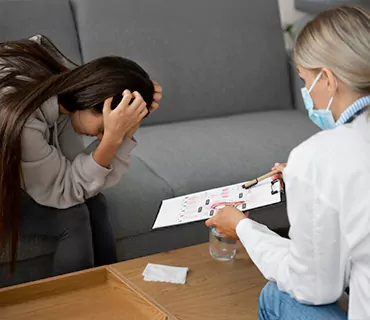
Our sessions keep things simple and calm. The first visit focuses on learning about your needs and making sure you feel safe. We ask clear questions at a slow pace. You share what you want, when you want. There is no rush.
We set small goals together. These goals stay flexible. If something feels too heavy, we adjust it. You stay in control.
Sessions often include calm grounding steps, breathing practice, simple coping tools, and talk time. Some sessions focus on lowering daily stress. Some focus on building safe routines. Some focus on healing past events when you feel ready. We move step by step.
Treatment Options We Use
Talk-based care
You gain space to speak freely without pressure. You learn how thoughts and stress reactions link to each other, and you learn calm ways to handle them.
Skill-based care
We teach grounding steps, steady breathing, comfort routines, and small methods to ease stress during triggers.
Medication support
Some people need extra help with sleep or mood. If medication helps, we guide you with clear steps and safe choices.
Slow trauma-focused care
When you feel ready, we help you process past events at a gentle pace. You stay in control the whole time.
What You Can Expect Over Time
Healing takes time, but you may notice small shifts early. Sleep may improve. Your body may feel less tense. You may feel less fear during triggers. You may find it easier to focus or socialize again.
Some days may feel better than others. This is normal. PTSD healing rarely moves in a straight line. We stay with you through the ups and downs.
The goal is not to erase the past. The goal is to help you feel safe again, inside and outside. With steady support, you can regain comfort, rest, and trust in your daily life.
How We Keep You Safe
We protect your privacy at every step. We store your health data safely. We only share your details when the law requires it or when you give clear permission. Your care stays private and protected.
We also watch for signs that you may need fast help. If you feel unsafe or at risk, we guide you toward safe, quick support.
When To Seek PTSD Care
Reach out if you:
- avoid places, people, or tasks due to fear
- have strong memories that interrupt your day
- wake often from dreams or worry
- feel tense, shaky, or stressed most of the day
- feel low or flat for long periods
- feel the event is still “happening” inside your mind
- struggle to stay calm in normal settings
You do not need to wait for things to get worse. Early care helps you regain control sooner.
Your Next Step
If you feel ready, you can book a session with us. If you still feel unsure, you can ask questions first. We will explain everything in simple words. You stay in control. We support you with patience, calm care, and steady steps.
Get A Free Consultation
Leading healthcare vision
Frequently asked questions
Physician provides expert healthcare guidance, helping you and your loved ones stay healthy with trusted care and support.
Sessions focus on safety, grounding methods, and gentle trauma work at your pace.
Healing takes time. You choose the speed, and nothing is rushed.
Yes. PTSD care can be done through secure telepsychiatry sessions.
Sometimes. Medication can help reduce symptoms while therapy supports emotional healing.